
Does Swimming with Fins Help You Lose Weight? Combining Fin Swimming with Proper Nutrition for Results
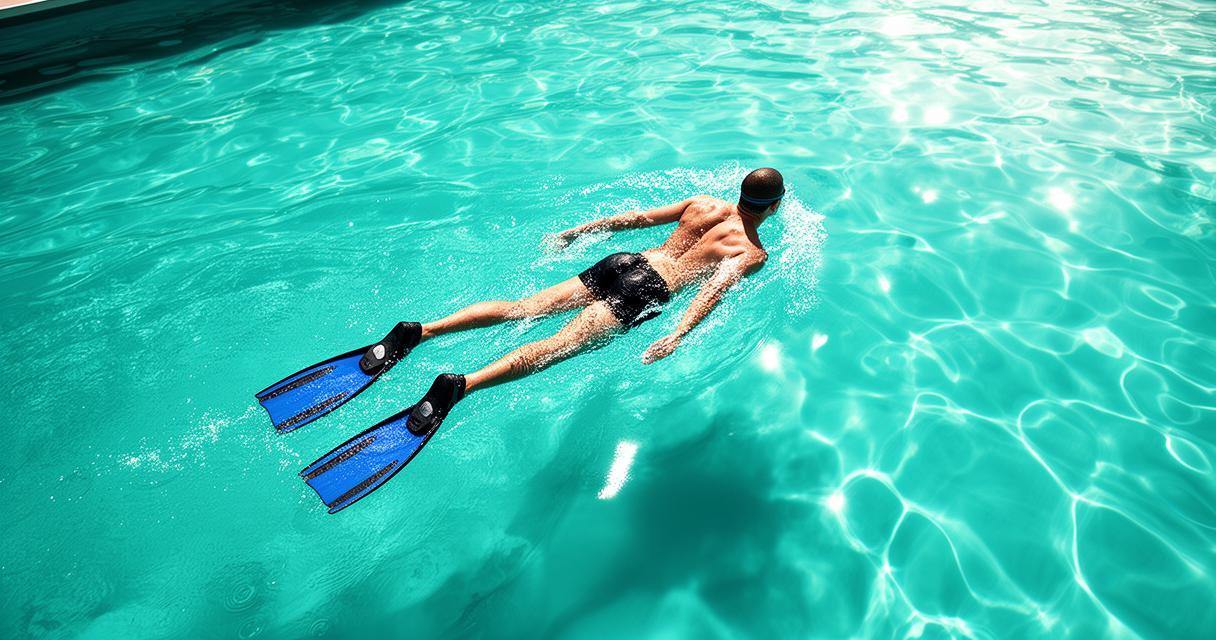
Many fitness enthusiasts seeking effective ways to shed pounds find themselves drawn to aquatic exercise, particularly swimming with fins. This approach offers a unique combination of cardiovascular conditioning and muscle engagement that can significantly enhance traditional swimming workouts. When paired with sensible eating habits, fin swimming becomes a powerful tool in any weight management strategy, providing both immediate calorie expenditure and long-term metabolic benefits that extend well beyond the pool.
How swimming with fins amplifies your calorie-burning potential
The addition of fins to your swimming routine fundamentally transforms the nature of your workout by introducing substantial resistance that would not otherwise exist. This enhanced resistance forces your legs to work considerably harder with each kick, thereby elevating your heart rate and increasing the overall energy demands placed upon your body. As you propel yourself through the water with fins attached, your muscles must generate significantly more force to overcome the drag created by these extended surfaces, which translates directly into heightened calorie consumption during every session.
The science behind increased resistance and energy expenditure
The physiological mechanisms at play when swimming with fins involve both immediate and sustained metabolic responses that contribute to weight loss. When your legs push against the water with fins, the surface area creates substantial drag that requires your quadriceps, hamstrings, glutes, and core muscles to engage more intensely than during standard swimming. This increased muscular effort demands greater oxygen consumption, which in turn elevates your metabolic rate not only during the activity but also in the hours following your workout. The phenomenon known as excess post-exercise oxygen consumption ensures that your body continues burning calories at an elevated rate even after you have dried off and left the pool. Furthermore, the continuous nature of swimming means your cardiovascular system maintains an elevated state throughout the session, maximising the fat-burning potential of each minute spent in the water.
Building lean muscle mass through enhanced workout intensity
Beyond the immediate calorie expenditure, swimming with fins contributes to weight loss through the development of lean muscle tissue throughout your lower body and core. As your muscles adapt to the increased demands placed upon them, they undergo hypertrophy and become more efficient at utilising energy. This muscle development proves particularly valuable for weight management because muscle tissue maintains a higher metabolic rate than adipose tissue, meaning your body burns more calories at rest as your muscle mass increases. The fins specifically target the larger muscle groups in your legs, which represent some of the most metabolically active tissues in your entire body. Regular fin swimming sessions therefore create a virtuous cycle wherein improved muscle tone leads to enhanced baseline metabolism, which in turn facilitates ongoing weight loss even when you are not actively exercising.
Optimising your fin swimming technique for maximum weight loss benefits
Achieving the full weight loss potential of fin swimming requires attention to proper form and strategic workout design. Simply strapping on fins and thrashing about in the water will yield limited results compared to a thoughtful approach that emphasises efficiency, gradual progression, and varied intensity levels. Understanding how to properly utilise fins whilst maintaining good swimming mechanics ensures that you maximise calorie burn whilst minimising injury risk and avoiding the development of poor habits that could limit your progress.
Proper Form and Speed Development for Efficient Fat Burning
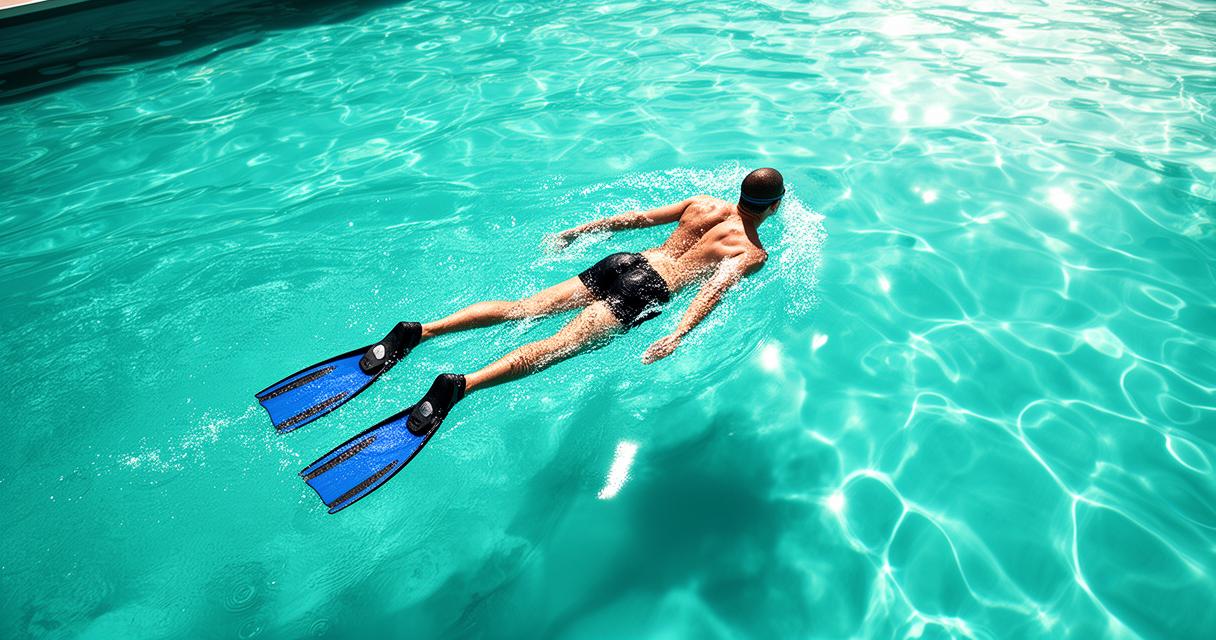
The foundation of effective fin swimming lies in maintaining a streamlined body position and executing controlled, powerful kicks that originate from the hips rather than the knees. When wearing fins, many swimmers make the mistake of bending their knees excessively, which not only reduces efficiency but also places unnecessary strain on the knee joints. Instead, focus on initiating each kick from your hip flexors whilst keeping your legs relatively straight, allowing the fins to amplify the natural whip-like motion that travels down through your ankles. This technique not only burns more calories by engaging the large gluteal and hamstring muscles but also improves your overall swimming speed, enabling you to cover greater distances and sustain higher intensities throughout your workout. Varying your pace between steady-state swimming and interval bursts further enhances the weight loss benefits, as high-intensity intervals create significant metabolic disruption that promotes fat oxidation for hours after you finish exercising.
Incorporating Cross-Training and Rehabilitation Elements into Your Routine
Fin swimming offers unique advantages as both a cross-training tool for other sports and a rehabilitation method for those recovering from injuries, both of which contribute to sustained weight loss efforts. The low-impact nature of swimming makes it ideal for individuals who carry extra weight and may experience joint discomfort with land-based activities such as running or cycling. The buoyancy provided by water reduces stress on ankles, knees, and hips whilst the fins enable you to maintain workout intensity despite any limitations you might face on dry land. For athletes training in other disciplines, fin swimming provides an excellent recovery workout that maintains cardiovascular fitness whilst giving overused muscle groups a chance to recuperate. This versatility means you can maintain consistent training frequency without the interruptions that injuries or overtraining might otherwise cause, thereby supporting the steady calorie deficits necessary for progressive weight loss over time.
Pairing Fin Swimming with a Balanced Nutrition Plan for Sustainable Results
Whilst fin swimming certainly increases your energy expenditure, achieving meaningful weight loss requires coordinating your training efforts with appropriate nutritional choices. Exercise alone rarely produces dramatic weight changes without corresponding attention to dietary intake, as it remains remarkably easy to consume more calories than even vigorous swimming sessions can burn. The most successful approach combines regular fin swimming workouts with a nutrition strategy that supports both your training performance and your weight loss objectives.
Essential dietary strategies to support your swimming programme
Fuelling your body properly for fin swimming sessions requires a balanced approach that provides adequate energy for performance whilst promoting fat loss. Prioritising whole foods such as lean proteins, vegetables, fruits, whole grains, and healthy fats ensures you receive the micronutrients necessary for recovery and the macronutrients needed to sustain intense workouts. Protein intake deserves particular attention, as adequate consumption supports muscle repair and development following the resistance work provided by fin swimming. Consuming protein shortly after training helps maximise the muscle-building response to your workout, which as previously discussed contributes to improved long-term metabolism. Equally important is maintaining proper hydration, as even mild dehydration can impair both exercise performance and metabolic function. Despite being surrounded by water during your workout, swimming causes substantial fluid loss through respiration and perspiration that you must replace through deliberate fluid intake before, during, and after training.
Creating a Calorie Deficit Whilst Maintaining Energy Levels for Training
The fundamental principle underlying weight loss remains creating a sustained calorie deficit wherein you consume fewer calories than your body expends over time. Fin swimming contributes to the expenditure side of this equation by burning substantial energy during each session and by building muscle that elevates your baseline metabolic rate. However, you must balance this increased expenditure with appropriate calorie restriction to avoid either undereating to the point of compromising performance or overeating and negating the benefits of your training. A moderate deficit of approximately three hundred to five hundred calories below your maintenance level typically allows for steady fat loss of roughly half a kilogramme to one kilogramme per week whilst preserving enough energy for quality training sessions. Tracking your food intake through a journal or application can provide valuable awareness of your consumption patterns and help identify areas where simple modifications might yield significant results. Remember that extreme restriction often proves counterproductive, leading to metabolic adaptation, loss of muscle mass, reduced training quality, and ultimately rebound weight gain once normal eating resumes. Sustainable weight loss achieved through consistent fin swimming and sensible nutrition choices creates lasting changes to your body composition and establishes healthy habits that extend well beyond reaching your initial target weight.