
The pop culture ninja versus reality: is ninjutsu effective when stripped of its hollywood glamour?
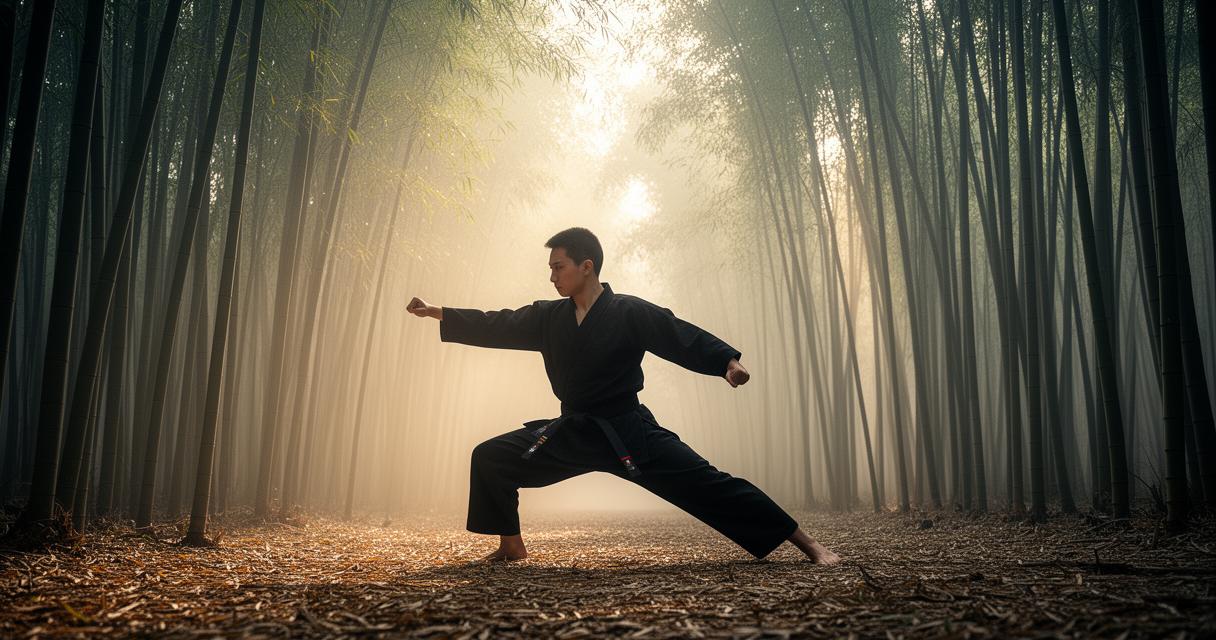
The image of the ninja has been etched into the collective imagination through decades of films, television programmes, and comic books, transforming these shadowy figures into larger-than-life heroes capable of impossible feats. Yet beneath the layers of Hollywood embellishment lies a historical tradition rooted in practicality, strategy, and survival. The question that arises when examining ninjutsu in the cold light of day is whether this ancient martial art retains its effectiveness when divorced from the spectacle of pop culture. To answer this, one must journey beyond the myths and explore the genuine techniques, philosophies, and modern applications that define ninjutsu today.
Demystifying ninjutsu: the historical art beyond silver screen fiction
Ninjutsu, often misunderstood as a mystical combat system, is in truth a traditional martial art steeped in the pragmatic needs of feudal Japan. The shinobi, as these practitioners were known in their homeland, were not the superhuman warriors depicted in blockbuster films but rather covert operatives who thrived on intelligence gathering, infiltration, and strategic disruption. Their work required a deep understanding of human behaviour, disguise, and deception, skills that were honed not in isolated mountain fortresses but in the daily lives of ordinary villagers and travellers. Regions such as Iga and Kōka became synonymous with ninja traditions, producing operatives who could blend seamlessly into society while executing secretive missions that often determined the outcomes of larger conflicts.
The historical reality of the shinobi reveals a discipline far removed from mythology. These individuals were trained in observation, navigation, and survival, relying on practical tools such as ropes, small blades, and smoke distractions rather than supernatural powers. Their training was regional and experiential, emphasizing adaptability and patience over brute force. The true essence of ninjutsu lay in its ability to empower individuals to think critically, assess their environment, and act decisively in situations where direct confrontation would be folly. This legacy of intelligence and subtlety forms the foundation upon which modern ninjutsu continues to build, even as it has evolved to meet contemporary needs.
Traditional foundations: understanding taijutsu, weapons training, and combat strategies
At the heart of authentic ninjutsu lies taijutsu, the art of body movement and unarmed combat. Unlike many martial arts that focus solely on striking or grappling, taijutsu encompasses a holistic approach to physical engagement, blending evasion, joint manipulation, and striking techniques into a fluid system. This adaptability is essential, as ninjutsu was never intended to be a sport or a demonstration of physical prowess but rather a means of survival. The techniques taught within this framework prioritize efficiency and practicality, enabling practitioners to neutralize threats without unnecessary risk or exertion.
Weapons training in ninjutsu further underscores its pragmatic origins. The shinobi employed tools that were often inconspicuous and easily concealed, designed to serve multiple purposes beyond combat. Blades, chains, and even agricultural implements could be transformed into instruments of defence or distraction. This ingenuity reflects a broader philosophy within ninjutsu: that true martial excellence arises not from overpowering an opponent but from outthinking them. Combat strategies within this tradition emphasize timing, positioning, and psychological manipulation, ensuring that the practitioner remains one step ahead in any confrontation. These principles continue to resonate within contemporary training, offering lessons that extend beyond physical altercations into everyday problem-solving and decision-making.
The Role of Dojos and Senseis in Authentic Ninjutsu Practice
The transmission of ninjutsu knowledge has always relied upon the dojo, a space where tradition and innovation intersect under the guidance of skilled senseis. These instructors serve as custodians of centuries-old techniques while also adapting their teachings to address the realities of modern life. In a dojo, the emphasis is placed not only on physical conditioning but also on cultivating the mindset of a shinobi: patient, observant, and resourceful. This environment fosters a sense of community and shared purpose, as students progress through a structured curriculum that balances respect for tradition with the need for practical application.
Senseis play a pivotal role in interpreting the often esoteric aspects of ninjutsu, helping students understand the context in which techniques were developed and how they can be applied today. Their expertise ensures that the art remains relevant, bridging the gap between historical practice and contemporary martial excellence. Through their mentorship, practitioners gain confidence in their abilities and develop a deeper appreciation for the discipline's philosophical underpinnings. The dojo thus becomes more than a training hall; it is a place of transformation where individuals refine both body and mind, learning to navigate challenges with the same strategic acumen that defined the shinobi of old.
Practical Applications: How Ninjutsu Measures Up in Modern Self-Defence and Mixed Martial Arts
When assessing the effectiveness of ninjutsu in a modern context, it is crucial to consider how its techniques translate into real-world scenarios. Unlike competitive martial arts that operate within defined rulesets, ninjutsu was conceived for unpredictable and often life-threatening situations. This focus on adaptability gives it a unique position within the broader landscape of self-defence systems. While it may lack the formalized structure of sports-oriented disciplines, its emphasis on situational awareness and improvisation offers practitioners tools that are difficult to quantify but undeniably valuable.
Critics of ninjutsu often point to its absence from high-level mixed martial arts competitions as evidence of its ineffectiveness. However, this perspective overlooks the fundamental differences between combat sports and actual self-defence. In a controlled ring, rules govern what techniques are permissible, and opponents are matched based on weight and skill level. Real-world confrontations, by contrast, are chaotic and unregulated, requiring a mindset and skill set that prioritize survival over victory. Ninjutsu's historical roots in espionage and asymmetric warfare make it particularly suited to these unpredictable encounters, where the ability to read an opponent and exploit environmental factors can be more critical than physical dominance.
Comparing Ninjutsu Techniques with Jiu Jitsu, Grappling, and MMA Approaches
To understand ninjutsu's place among martial arts, it is helpful to compare its methods with those of jiu jitsu, grappling, and mixed martial arts. Jiu jitsu, particularly the Brazilian variant, has gained immense popularity for its effectiveness in close-quarters combat and ground fighting. Its techniques are refined through rigorous sparring and competition, creating a robust system that excels in one-on-one grappling exchanges. Ninjutsu, while incorporating elements akin to grappling, does not emphasize prolonged ground engagements. Instead, it teaches practitioners to avoid being taken to the ground in the first place, using strikes, joint locks, and tactical repositioning to maintain control of the encounter.
Mixed martial arts, as a discipline, draws from a wide array of sources to create well-rounded fighters capable of competing in diverse scenarios. Its training methods are intensive and highly specialized, focusing on conditioning, technique refinement, and psychological resilience. Ninjutsu, by comparison, offers a broader curriculum that includes not only combat techniques but also strategies for evasion, reconnaissance, and psychological manipulation. This breadth can be both a strength and a limitation; while ninjutsu practitioners may lack the hyper-focused skill set of an MMA fighter, they possess a versatile toolkit that extends beyond the confines of regulated competition. The value of this versatility becomes apparent in situations where the objective is not to win a match but to escape unharmed or neutralize a threat with minimal engagement.
Real-world effectiveness: building confidence and martial excellence through bujinkan training
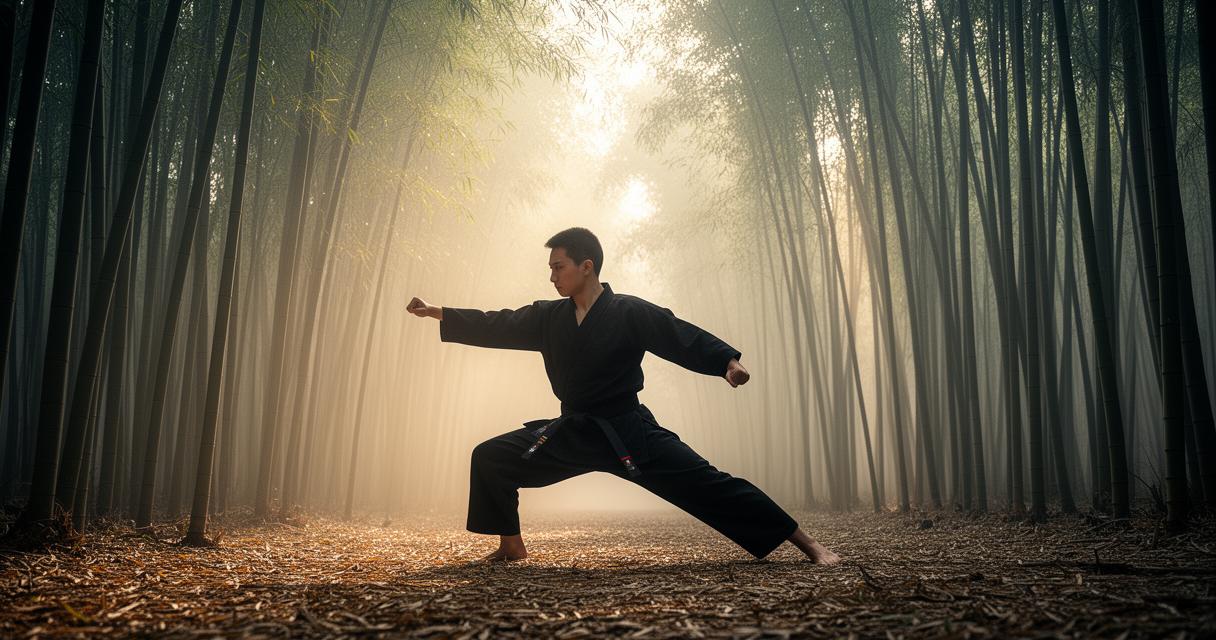
The Bujinkan organization, founded by Masaaki Hatsumi, represents one of the most prominent modern schools preserving and teaching ninjutsu. Its curriculum encompasses the traditional aspects of the art while also addressing the needs of contemporary practitioners. Training within the Bujinkan framework emphasizes physical conditioning, technical proficiency, and personal development, fostering a holistic approach to martial excellence. Students learn to navigate a wide range of scenarios, from unarmed confrontations to weapons defence, all while cultivating the mental fortitude that defined the shinobi.
One of the most significant benefits of Bujinkan training is the confidence it instills in practitioners. This confidence arises not from an illusion of invincibility but from a clear-eyed understanding of one's capabilities and limitations. By training in realistic scenarios and learning to manage stress and fear, students develop the composure necessary to act effectively under pressure. This psychological resilience is perhaps the most valuable aspect of ninjutsu, as it equips individuals to face challenges both within and beyond the realm of physical combat. The legacy of the ninja, therefore, is not one of superhuman feats but of ordinary individuals achieving extraordinary results through discipline, intelligence, and adaptability.
Masaaki Hatsumi and the Contemporary Evolution of Ninjutsu Philosophy
Masaaki Hatsumi's contributions to the preservation and evolution of ninjutsu cannot be overstated. As the founder of the Bujinkan and a direct inheritor of traditional ninja lineages, Hatsumi has dedicated his life to ensuring that the art remains accessible and relevant in the modern world. His teachings emphasize not only the technical aspects of ninjutsu but also the philosophical principles that underpin the discipline. Hatsumi's approach is characterized by a deep respect for history combined with a willingness to adapt and innovate, ensuring that ninjutsu continues to evolve without losing its essential character.
Through his writings, seminars, and personal instruction, Hatsumi has influenced countless practitioners worldwide, helping them understand the true nature of the shinobi tradition. His emphasis on natural movement, strategic thinking, and moral integrity has shaped the way ninjutsu is taught and practiced today. By demystifying the art and stripping away the sensationalism that often surrounds it, Hatsumi has allowed students to engage with ninjutsu on a more authentic level, appreciating it as a practical and philosophical system rather than a collection of exotic techniques.
The Influence of Hatsumi's Teachings on Modern Ninjutsu Schools
Hatsumi's influence extends far beyond the walls of the Bujinkan dojo, shaping the broader landscape of contemporary ninjutsu practice. Many schools and instructors have adopted his methodologies, incorporating his emphasis on adaptability and contextual learning into their own curricula. This widespread adoption has helped standardize certain aspects of ninjutsu training while also encouraging diversity and experimentation. Instructors inspired by Hatsumi's example strive to balance tradition with innovation, ensuring that their students receive a comprehensive education that prepares them for the complexities of modern life.
The impact of Hatsumi's teachings is also evident in the growing recognition of ninjutsu as a legitimate martial art within the global community. By fostering international collaboration and encouraging cross-training with other disciplines, Hatsumi has helped ninjutsu shed its reputation as an obscure or mystical practice. Today, practitioners around the world study the art not out of fascination with pop culture myths but out of a genuine appreciation for its historical significance and practical applications. This shift in perception represents a triumph for Hatsumi's vision and a testament to the enduring relevance of the shinobi tradition.
Personal Development and Physical Conditioning: The True Legacy of the Ninja Practitioner
Ultimately, the true legacy of ninjutsu lies not in its combat techniques but in its capacity to foster personal development and physical conditioning. The discipline demands dedication, patience, and a willingness to confront one's own limitations, qualities that are cultivated through consistent practice and self-reflection. Physical conditioning within ninjutsu is comprehensive, encompassing strength, flexibility, endurance, and coordination. These attributes are developed through a variety of exercises and drills, many of which are designed to mimic the unpredictable demands of real-world scenarios.
Beyond the physical, ninjutsu encourages practitioners to cultivate a mindset of continuous improvement and adaptability. This philosophical dimension is perhaps the art's most enduring contribution, offering lessons that extend into every aspect of life. By embracing the principles of observation, patience, and strategic thinking, students of ninjutsu learn to navigate challenges with grace and confidence. The journey of the ninja practitioner is one of transformation, where the pursuit of martial excellence becomes a vehicle for personal growth and self-discovery. In this sense, ninjutsu remains effective not because it promises to turn individuals into unbeatable warriors but because it empowers them to become the best versions of themselves.